
Sermon Notes February 22, 2026
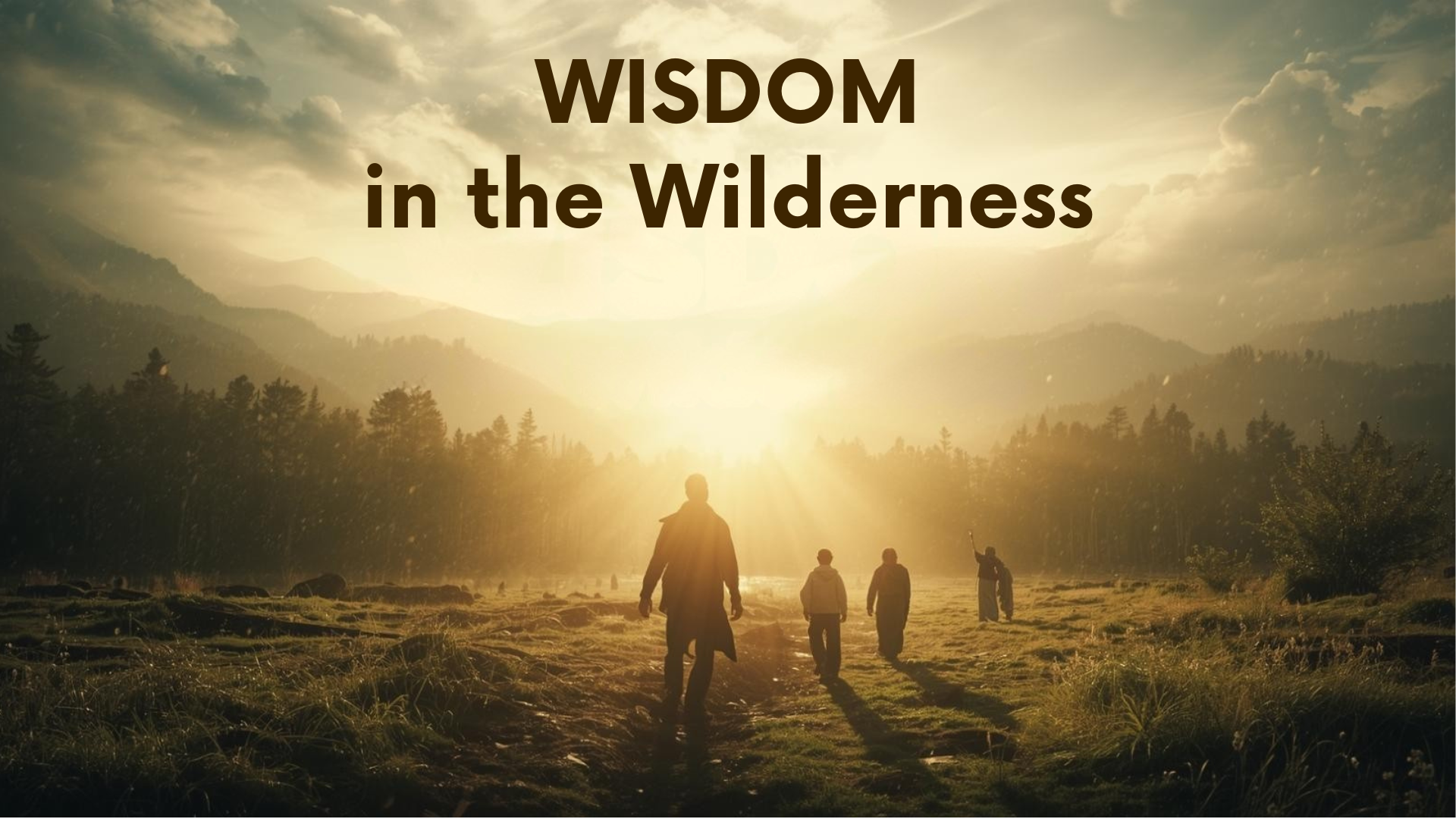
Wisdom in the Wilderness - Rev. Sheryl Padgett DDiv
Key Scripture: Mark 1:9–13
• Theme: The wilderness is the inner place of uncertainty—between what we’ve released and what has not yet formed—where temptations and deep spiritual growth both arise.
• Sequence in Mark:
• Baptism by John = cleansing of consciousness.
• Spirit descending like a dove = illumination, awareness of divine identity.
• Voice: “You are my beloved…” = realization of our true nature.
• Then the Spirit drives Jesus into the wilderness = the same Spirit that blesses us also leads us into growth and testing.
• Wilderness symbolism:
• Not punishment, but revelation and preparation.
• The number 40 = “as long as it takes” for testing and transformation.
• Place where distractions fall away and we face our beliefs.
• Three temptations as metaphysical patterns:
1. Stones into bread – Using spiritual power only for material satisfaction.
• Illusion: “If I just get this one thing, I’ll finally be okay.”
• Truth: We must feed the soul with Truth; real nourishment is inner guidance, peace, and wisdom.
• Jesus’ response: “We do not live by bread alone…”
2. Throw yourself down from the temple – Spiritual ego and performance spirituality.
• Wanting dramatic proof, spectacle, or to use spiritual gifts for self‑importance.
• Unity caution: true healing awakens the God‑power in others; we don’t perform or claim special powers.
• In the wilderness there is no audience—only authenticity and awareness.
3. All the kingdoms of the world – Power, control, and recognition.
• Personal will trying to take the place of God.
• Illusion: Security and worth come from titles, possessions, approval.
• Jesus’ response: Worship and serve God alone; our true allegiance is to the Christ within.
• New Thought perspective:
• Temptation = old mental habits, not an outside devil.
• Life reflects our thinking; temptation invites us to keep thinking fear, lack, and separation.
• We always have the power to accept or reject suggested thoughts; the wilderness becomes a training ground.
• Buddhist parallels:
• Mara = fear, craving, delusion that tried to distract the Buddha.
• Response: “I see you, Mara” – recognition without identification.
• Mindful awareness (“Hello, my little fear…”) reduces temptation’s power; we meet thoughts with compassion, not shame.
• Our modern wildernesses:
• Health issues, grief, job or role changes, relationship shifts, or feeling the old life is too small.
• Common temptations there:
• Define ourselves by lack or fear.
• Demand dramatic rescues instead of consistent spiritual practice.
• Trade integrity for quick comfort or approval.
• Core message:
• The Christ within us meets temptation by standing in Truth, not arguing with it.
• Inner wisdom whispers: “You are more than your hunger; more than your fear; more than your success or failure.”
• Lent (and any spiritual season) is not about impressing God by giving things up, but about releasing illusions so we can remember who we are.
• The wilderness doesn’t diminish us; it strips away what’s false and reveals our true, beloved identity.
